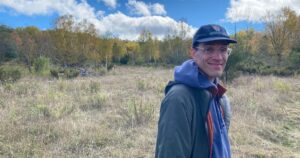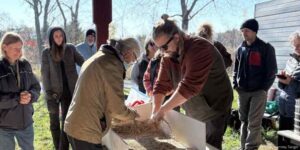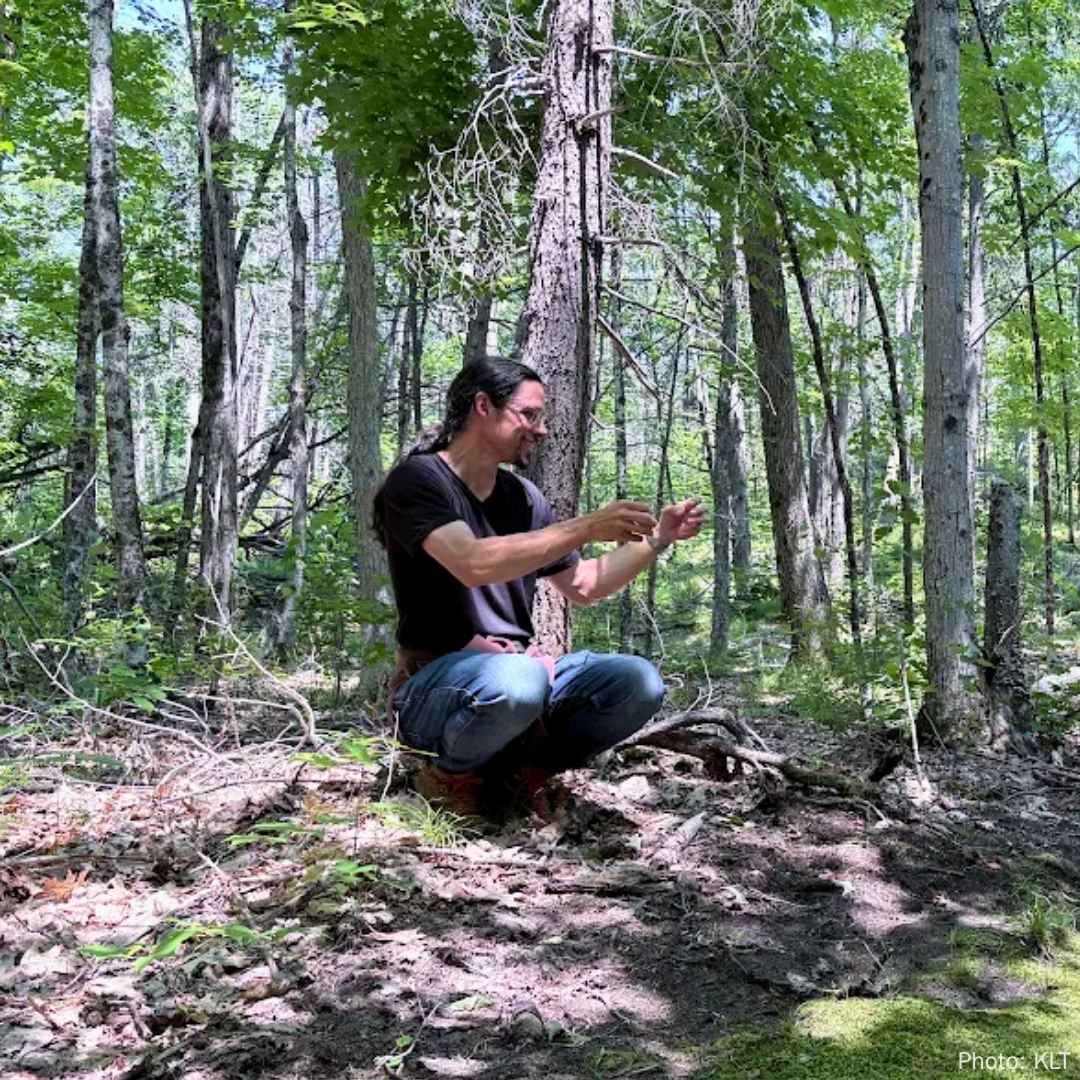
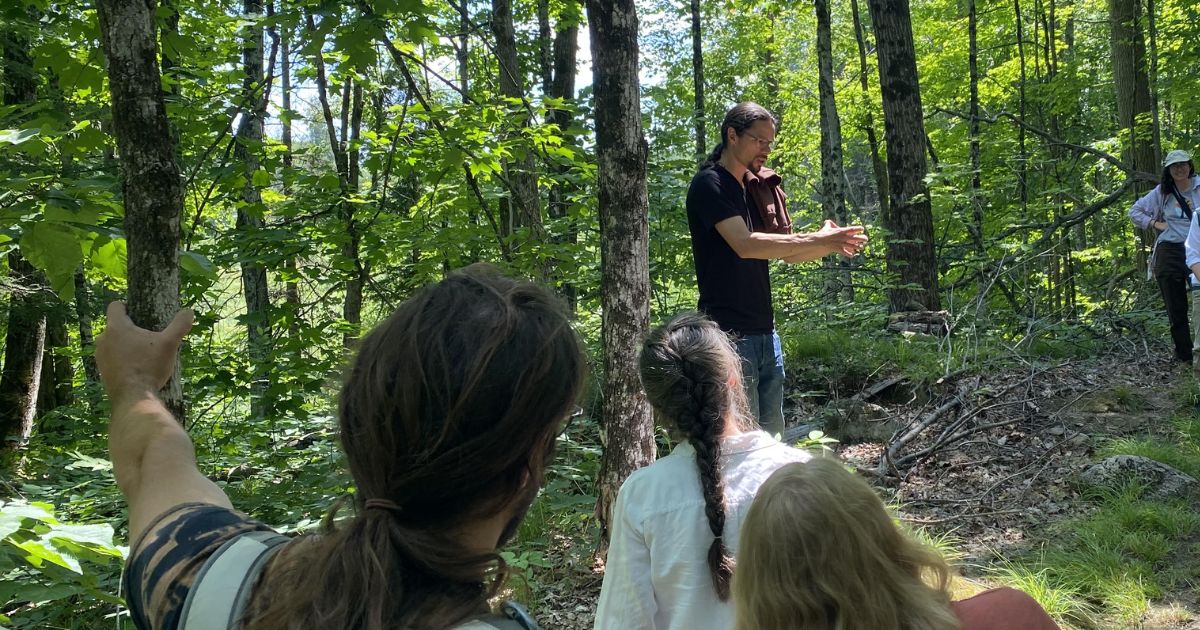
Photo: Joseph Pitawanakwat. (KLT)
By Kaitlyn Pinkett, KLT Volunteer
On June 28, 2026, Kawartha Land Trust (KLT) hosted two medicine walks led by Joseph Pitawanakwat at Tecasy Ranch near Buckhorn, in Treaty 20 Michi Saagiig Territory.
Through his teachings, Joseph, who is from Wiikwemkoong Unceded Territory, invited participants to explore and develop a connection to the land as a living “calendar of plants.” Drawing on Anishinaabe knowledge of plant medicine and knowledge passed to him by his grandmother, nature was described as a storyteller that communicates through form, timing, and sensory experience.
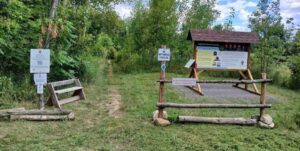
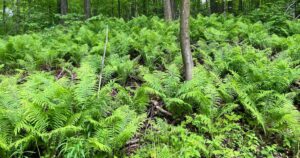
Stepping a few metres into the forest, attendees were invited to share their experiences of interacting with plants along the trail. The walk moved along the trail under dappled light filtering through the trees.
Moss-carpeted trails and the sound of a Veery’s cascading song set the background for a reflective exploration of plant life — relational knowledge and the seasonal changes unfolding after the summer solstice.
A central theme of the two walks was that plants offer teachings through direct observation and relationships.
Joseph emphasized being present with plants in a tactile way before intellectualising them — noticing how they feel, smell, and look. For example, when asked about Gaa-minomaagobagak (Mint), some attendees described it as refreshing, cooling, and calming. He explained that Mint also stimulates salivation, reinforcing the idea that plants communicate through embodied experience.
Nisaiindamowinmishkiki (St. John’s Wort) was highlighted as another example of a plant whose physical structure reflects its therapeutic effect. Joseph invited us to look at the plant and its perforated leaves, stating, “holes that let the sun through,” linking the role to supporting mood regulation and increased light absorption through the skin caused by the synergistic effects of hypericin and hyperforin in the plant.
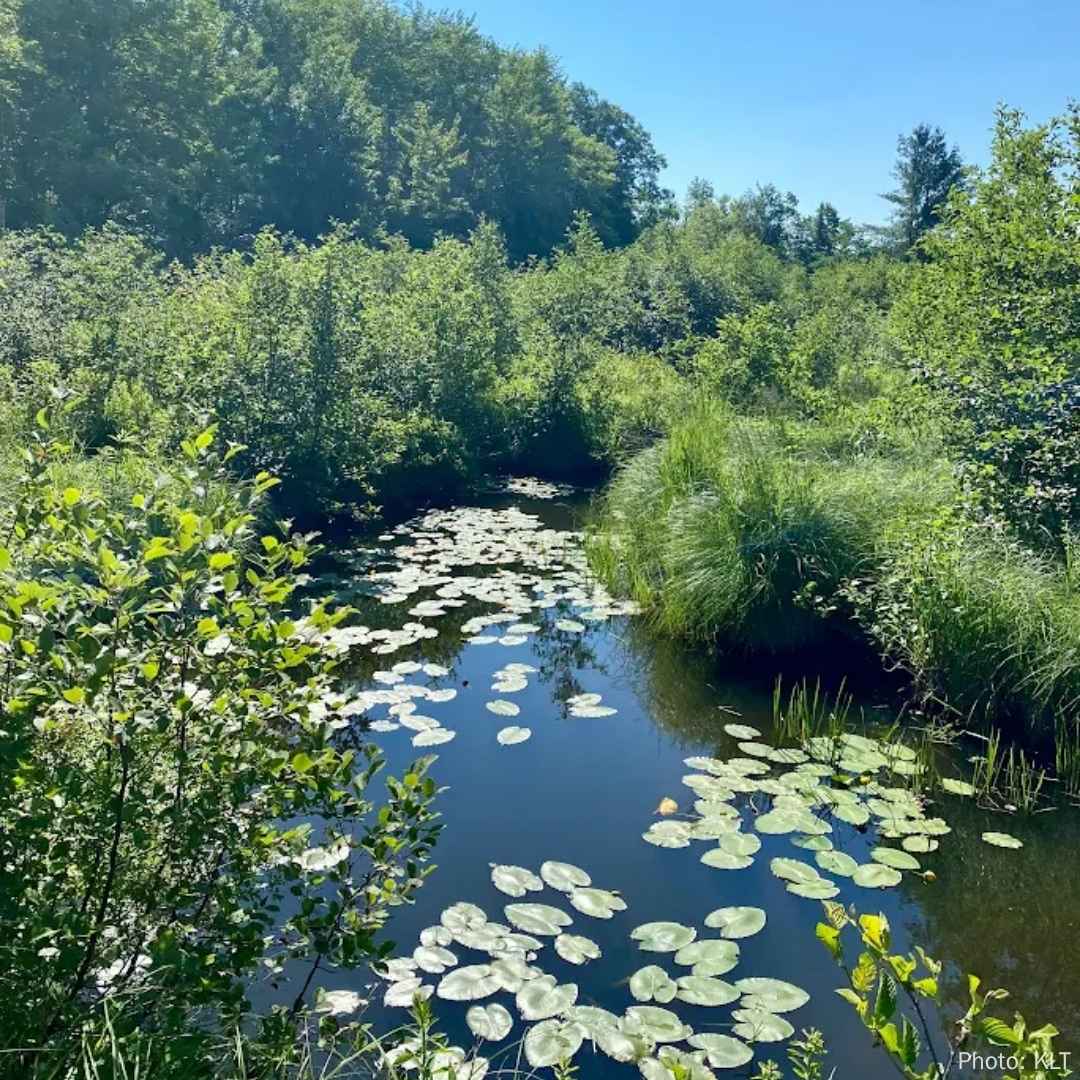
Further down the trail, we were introduced to a marshy channel. Joseph pulled a Ziisagoopamish (Willow) branch toward attendees, pointing out its flexibility and medicinal use in supporting joint health and conditions such as rheumatoid arthritis.
The walk also emphasized the interconnections between plants, animals, as well as ecological relationships, such as Waawaashkeshi (White-tailed Deer) and Agongosimin (Mayflower).
Attendees explored how deer, birds, and other animals are connected to specific plants through seasonal patterns. As we learned from Joseph’s teachings, we could hear and see a number of birds, including Red-winged Blackbird, Northern Yellow and Chestnut-sided Warblers, Common Yellowthroat, Downey Woodpecker, Red-eyed Vireo, and Veery — part of the living system of indicators within the connected landscape.
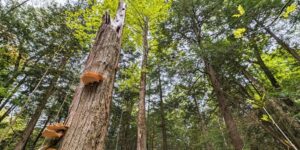
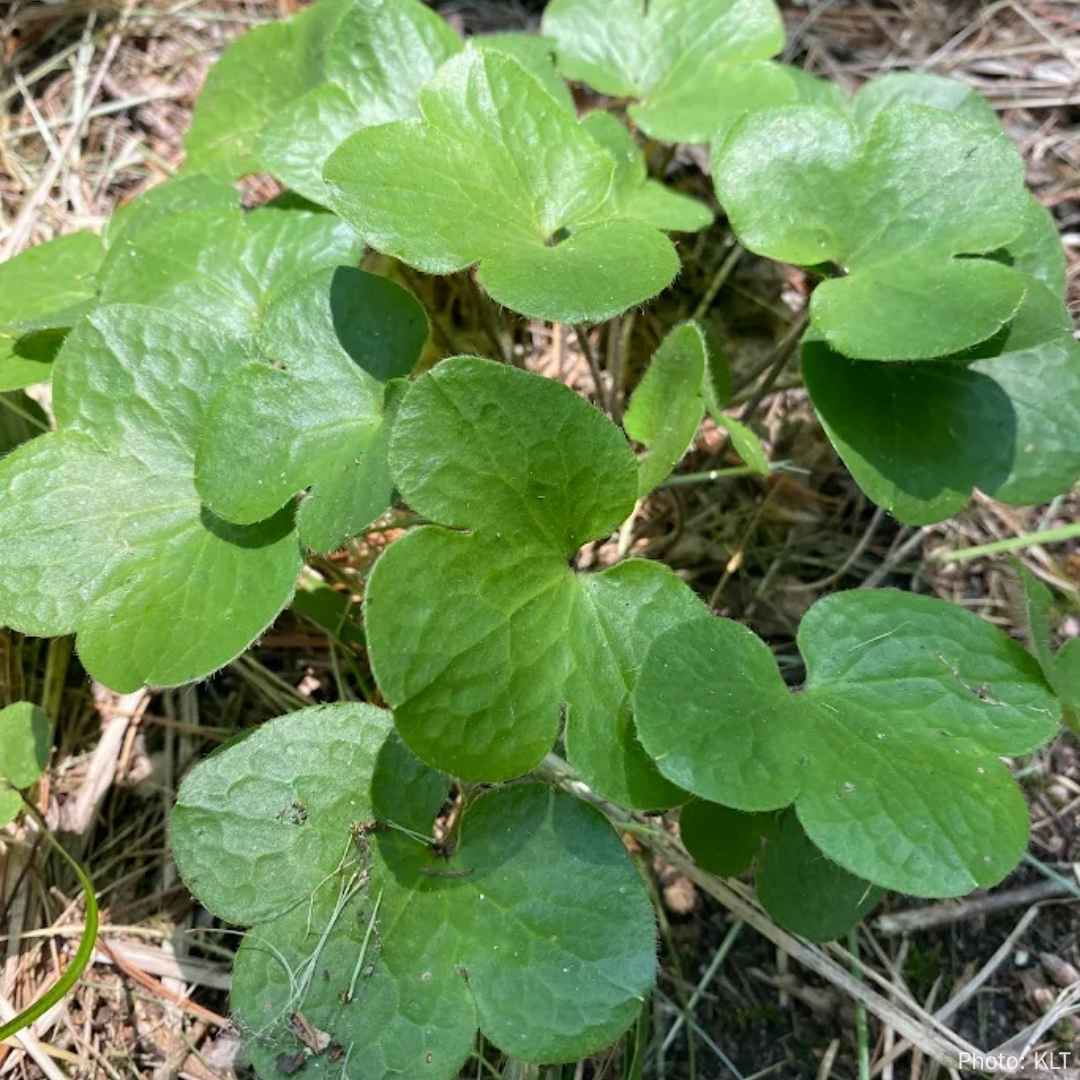
Additional plant teachings included Gzhiibaankwatonhs (Skullcap) for sleep support, and Shkitagen’s (Chaga) many health benefits — anti-inflammatory, skin health and immune support — and Animozid (Hepatica), whose three-lobed leaves resemble the liver and are traditionally associated with liver health. These examples reinforced the idea of relating physical form to medicinal purpose.
“The plant tells you and nature is a story teller,” shared Joseph.
Joseph also shared that over 80% of pharmaceutical drugs originate from plant sources, underscoring the continued importance of traditional ecological knowledge and conservation in stewardship and medicine. He emphasized that disconnection from land represents a loss of relational knowledge, both physically and culturally.
Throughout the walk, nature was described as an interconnected, sustainable system where plants, animals, and people co-exist in reciprocal relationships. The seasonal timing of growth, migration, hunting, and harvesting was presented as a guiding structure for understanding the land. Plant medicines were described not as isolated remedies but, rather, as part of a broader ecological intelligence shaped by stress, adaptation, and interdependence.
The walk concluded with reflections on the holistic nature of health and Indigenous teachings — spiritual, physical, emotional, mental, and communal. Attendees expressed a deeper sense of connection to the land and a renewed awareness of plants as active teachers within an ongoing story of place. Gratitude was expressed to Joseph for the teachings about the land and the relationships that sustain all living beings.
Miigwech.
We would also like to extend our thanks to Tecasy Ranch, a KLT Partner in Conservation, for generously allowing us to gather on the beautiful 550-acre property — an inspiring setting to connect to nature and Indigenous teachings.